Dangers of Damaged Trees to Your Home & Family
August 8, 2025
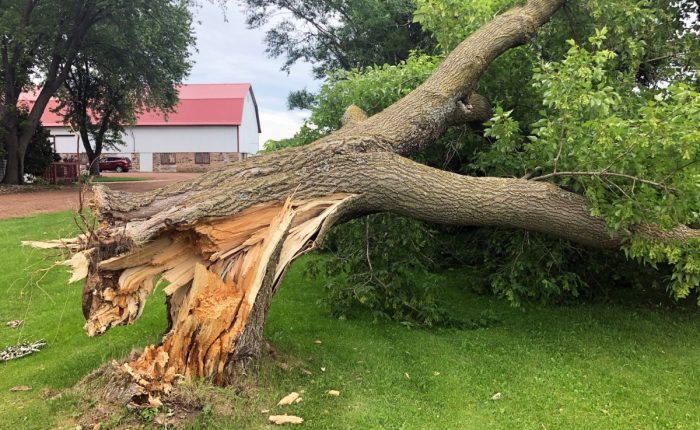
Your trees are probably a big part of what makes your house feel like a home. They offer shade on sunny days, a place for the kids to play, and they add a significant amount of curb appeal. But these silent giants can pose a risk to your home and family when they become damaged. While the damage can happen for a number of reasons, the threat remains the same. This isn’t about fear-mongering; it’s about awareness and proactive tree care, keeping your personal forest a source of joy, not stress.
All The Above Tree Service wants to help you understand the dangers so you can protect your loved ones and your investment. That’s why we’re sharing our expertise as ISA-certified arborists with you, so you can take quick action when faced with a damaged tree on your property. We’re also the ones to count on for solutions, including tree removal and preventative tree pruning. Now, let’s dive into how compromised trees can put your home and your loved ones in jeopardy.
How Trees Become Damaged
Sometimes the cause is a dramatic, one-time event, while other times the damage is a slow burn, happening over the years. Understanding these causes is the first step in recognizing a potential problem in your own landscape.
Storms
Severe weather events rank among the most common causes of tree damage across our region of Bucks County. Lightning strikes can split trunks, while high winds snap branches and uproot entire trees during storms. Ice storms create particularly dangerous conditions when frozen precipitation accumulates on branches, adding tremendous weight that overwhelms the tree’s structural capacity. Rain also saturates soil around root systems, making trees more susceptible to wind damage and increasing the likelihood of complete failure during weather events.
Disease & Pest Infestation
Diseases often begin with small leaf discoloration or a patch of fungus on the bark. Without intervention, these issues spread into deeper tissue. Some pathogens hollow out the trunk or rot the roots. Others, like verticillium wilt or Dutch elm disease, weaken entire species. Add pests like beetles, caterpillars, or borers into the mix, and the damage accelerates. These insects dig into the wood, chew on foliage, and carry spores that infect other trees across the landscape.
Explore our insights into sudden branch drop syndrome and what you need to know.
Poor Pruning
You might think any pruning is good for a tree, but improper techniques can cause lasting harm. Topping a tree, which involves cutting away the entire top of the canopy, creates significant stress and leaves large wounds that are susceptible to disease and decomposition. Making cuts in the wrong place on a branch can also inhibit the tree’s natural ability to heal its own injury. Correct pruning is a science and an art, involving an understanding of arboriculture and how different species respond.
Natural Aging & Decay
Even healthy trees eventually succumb to natural aging processes that weaken their structural components. Decomposition begins in older wood tissue, creating hollow areas within trunks and major branches that compromise stability. Root systems gradually lose their grip on the surrounding soil as individual roots die and decay underground. The natural forest cycle involves tree death and replacement; however, in residential settings, aging trees require careful monitoring to prevent hazardous situations as they decline.
Signs of a Damaged Tree
Early detection of tree problems provides the best opportunity to prevent hazardous situations from developing on your property. While you can spot obvious changes like broken branches or wilting leaves during your routine property walks, subtle symptoms often require professional interpretation to understand their full significance. Professional arborists can perform detailed risk assessments that reveal hidden structural problems and disease issues that untrained eyes typically miss.
Here are some of the most telltale indicators of damaged trees that should prompt a call to our experts:
- Leaning Trunk: A slight tilt might not seem alarming, but a shift in the tree’s base often signals root injury or soil compaction.
- Dead Branches: Dry, brittle limbs without leaves may break at any time, especially during a storm.
- Peeling Bark: Missing or loose bark can point to disease or internal decay within the trunk.
- Fungal Growth: Mushrooms or conks at the base often indicate root rot or tissue breakdown.
- Visible Cavities: Hollowed sections invite insects, reduce structural integrity, and increase the risk of collapse.
- Cracks or Splits: These often form after windstorms or heavy rain, especially in older trees.
- Excessive Leaf Loss: Thinning foliage across parts of the canopy could mean water stress or pest infestation.
- Insect Activity: Sawdust piles, bore holes, or visible insects suggest internal damage spreading unseen.
Learn how to know if your property is safe after a severe storm.
Risks to Your Home
The most obvious danger of a damaged tree is the potential for it to cause significant harm to your house. A large branch failure can easily punch a hole through your roof, shatter windows, or crush a deck. A complete tree failure is even more destructive, potentially leveling a garage or a significant portion of your home during severe weather. This risk isn’t limited to a storm; a weakened tree can fail on a calm, sunny day. The target is often whatever is underneath its canopy, and for many homeowners, that includes their biggest investment: their property.
Risks to Your Family’s Safety
The safety of your family is paramount, and a hazardous tree poses a direct threat. A falling branch or a toppling trunk can cause serious injury or worse to anyone on your lawn or in your garden. Cars in the driveway, swing sets, and outdoor gathering spaces are all vulnerable. It’s a terrifying thought, but one that homeowners with mature trees need to consider. A simple walk through the yard could become dangerous if a compromised tree is overhead. This is a primary reason to stay vigilant about tree health.
Legal & Financial Consequences
Beyond the physical damage, a failing tree can have serious legal and financial repercussions. Your homeowner’s insurance may not cover damage if it’s determined you were negligent in your tree care. If your tree falls and damages a neighbor’s property, you could be held liable for the cleanup and repair costs. This situation can create tension and lead to costly and stressful legal disputes. A proper risk assessment and documented maintenance from an expert can be your best defense in these unfortunate situations.
Why You Should Call Professional Arborists for Tree Damage
Professionals bring more than just a pair of clippers and a ladder. They bring knowledge rooted in years of hands-on experience and formal training in arboriculture. When you call All The Above Tree Service, you get ISA-certified arborists who can read the signs trees give off — like peeling bark, soft spots, or slow leaf growth — and understand what they mean. We know which species recover well after a lightning strike and which ones won’t survive another season. We assess the structure, moisture in the soil, canopy balance, and even drainage patterns around the trunk to evaluate the full picture.
Our team also detects the early signs of disease or insect infestation long before they become obvious. With us, you’re not just getting help — you’re getting eyes that know what to look for and hands that know how to fix it. That kind of insight helps keep your property safe and your trees thriving.
Reach Out for Expert Tree Damage Solutions!
Your home should be your safe haven, and you shouldn’t have to worry about the trees in your yard. If you have any concerns about the health or stability of a tree on your property, don’t hesitate to get an expert opinion. The team at All The Above Tree Service is here to help you manage your personal urban forest. We are members of the International Society of Arboriculture and have the expertise to handle any damage your trees have faced. Contact us today for a consultation and let our certified professionals provide the solutions you need and your trees deserve.