Stump Grinding vs. Removal: What’s Better for Your Yard?
April 1, 2026
You finally did it. That problem tree is gone — the one that leaned a little too close to the house, dropped branches every time the wind picked up, or blocked the sunlight from your yard. You step outside, feeling pretty proud… and then you see it. The stump. Right smack in the spot where you pictured fresh grass, a neat garden bed, or a smooth, level area for the kids to run around (or the dog to zoom in circles like it’s their full-time job). And now you’re stuck looking at what feels like a wooden coffee table bolted into the ground.
Tree stumps aren’t just an eyesore. They can make mowing a pain, create trip hazards, and become an open invitation for unwanted pests. Thankfully, you have options for addressing the problem. The two most common solutions are stump grinding and stump removal.
While both can get the job done, stump grinding is typically the practical, efficient, yard-friendly choice for most homeowners. Below, we’ll compare stump grinding vs. removal so you can choose the best option for your property goals and budget, and feel good about the decision.
What’s the Difference Between Stump Grinding and Stump Removal?
At first glance, these services sound similar. Both deal with the stump. Both help you reclaim your space. But how they work, and what they leave behind, are very different.
What Is Stump Grinding?
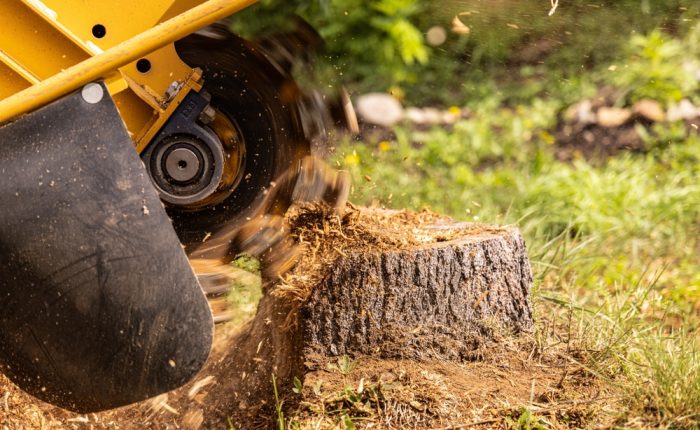
Stump grinding uses a specialized machine with a rotating cutting wheel to grind the stump down into wood chips. The grinder shaves the stump down below ground level (typically several inches, and deeper if needed), leaving you with a mix of grindings and soil in the area. The roots remain in the ground, but the visible stump is gone, and the area can be restored.
This Is Best For: Most residential yards where the goal is a clean look, safer lawn, and minimal disruption.
What Is Stump Removal?
Stump removal (sometimes called full stump extraction) involves pulling the stump out of the ground along with major roots. This is a more intensive process that often requires heavy equipment and creates a larger hole that must be backfilled and repaired.
This Is Best For: Certain construction or landscaping plans where you need the entire root structure out of the way.
The Difference in a Nutshell
Essentially, grinding removes the stump; removal extracts the stump and roots. One is like shaving down a stubborn bump in the yard. The other is like digging out an entire underground structure.
Why Stump Grinding Is Often the Better Choice for Most Yards
For the average homeowner, stump grinding checks the most boxes. It’s the option that usually delivers the best balance of results, cost, and convenience without turning your yard into a construction zone.
Less Disruption to Your Lawn
Stump removal often tears up surrounding turf, landscaping, and soil because the roots extend farther than most people realize. In contrast, grinding is much more targeted. The machine focuses on the stump itself, and the surrounding area stays far more intact.
If you’ve already invested time (or money) into your lawn, flower beds, or landscape design, grinding helps protect that work.
Faster Turnaround
Grinding is typically quicker from start to finish. In many cases, the unwanted tree stump can be ground and the area cleaned up in a single visit. Full removal can take longer because it involves excavation, hauling, and more site repair afterward.
More Affordable in Most Situations
Because stump grinding requires less labor, fewer heavy equipment needs, and less restoration work, it’s often the more budget-friendly solution. Full removal tends to cost more due to the intensity of the job and the bigger cleanup that comes with it.
Keeps Your Yard Usable
A ground stump leaves you with a spot that can be leveled, topped with soil, and reseeded. Stump removal leaves a noticeable hole that needs to be filled and compacted properly to prevent sinking later. Grinding gets you back to a normal yard faster, with less mess and fewer surprises.
When Full Stump Removal Might Be Considered
Even though stump grinding is the go-to for most yards, there are times when full tree stump removal makes sense.
Construction Plans
If you’re building an addition, installing a shed on a concrete slab, or doing any project that requires deep excavation and a stable base, full removal may be necessary. After all, you don’t want large roots interfering with footing placement or soil compaction.
Major Hardscaping
Planning a new patio, driveway extension, retaining wall, or in-ground pool? If the stump and roots are directly in the way of grading or structural work, stump removal might be the better fit.
That said, it’s worth noting: even in some hardscaping projects, stump grinding can still work, especially if the work isn’t going deep and the stump isn’t directly under the planned structure. A quick on-site assessment can help determine what’s truly needed (and prevent you from paying for more disruption than your yard requires).
Foundation or Utility Work
In some cases, roots can interfere with trenching, drainage projects, or foundation repairs. If your contractor needs a completely clear path through that area, full removal may be requested.
What Happens to the Roots After Stump Grinding?
After stump grinding, the roots are left underground. But that doesn’t mean they stay “alive” forever. Without the tree above ground, the root system no longer gets the energy it needs to keep growing. Over time, the roots naturally begin to decay.
What to Do With the Grindings
Once the stump is ground, you’ll have a pile of wood chips mixed with soil. These grindings can actually be useful, depending on your plans for the space.
Here’s what you can do with your leftover wood chips:
- Use Them as Mulch: Wood chips are great in garden beds, around trees, or along natural pathways. They help retain moisture and can reduce weed growth. Just keep them a few inches away from plant stems and trunks to prevent rot issues.
- Remove Them if You Want Grass: If your goal is a clean lawn, you’ll usually want to remove at least some grindings from the area. Why? Fresh wood chips can pull nitrogen from the soil as they break down, which isn’t ideal for new grass.
Should You Just Leave the Stump to Rot Instead of Addressing It?
It’s tempting to think, “Why not just let it rot and save the money?” The problem is that rotting is slow (often taking years) and, during that time, the stump stays exactly where you don’t want it: in the way. It can keep your yard from being truly usable, make mowing and landscaping harder, and continue to pose a trip hazard (especially once it starts softening and breaking apart unevenly).
Even more importantly, a decaying stump can become a magnet for pests like ants, termites, beetles, and other insects that love damp, aging wood. If you want a clean, safe, level yard you can actually use, addressing the stump sooner usually saves you time, frustration, and long-term risk.
Leave Stump Grinding to the Professionals
Stump grinding looks simple until you see the equipment up close. These machines are powerful, fast, and designed to chew through solid wood with enough force to kick up debris. Doing it “DIY style” can get risky quickly, especially if you’re not used to the machinery or don’t know what’s hidden underground (i.e. water lines, gas lines, electric, internet).
If you want your yard back clean, safe, and ready for whatever’s next, professional stump grinding is the way to go. All The Above Tree Service proudly provides stump grinding services throughout Bucks County, PA, and will handle the project safely to avoid property damage and preserve the surrounding landscape. Contact us today to schedule an on-site assessment and reclaim your beautiful yard.