How Often Should Trees Be Inspected?
February 18, 2026
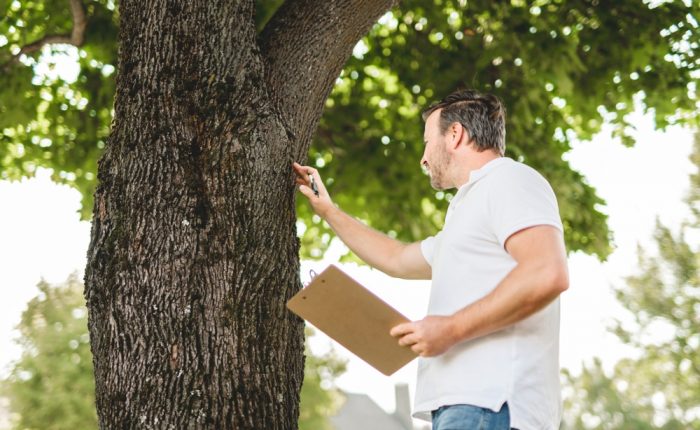
When was the last time you really looked at your trees? Not just a quick glance while pulling into the driveway, but a once-over, where you notice whether branches are thinning, bark is splitting, or something just feels… off.
Trees can live for decades, which makes it easy for homeowners to assume they’ll always be fine. But the truth is, small warning signs often show up long before a major limb fails or a tree comes down. That’s why regular tree inspections are one of the best ways to prevent emergencies and costly property damage, especially in residential areas throughout Bucks County.
Today, we’ll break down how often trees should be inspected and what signs mean it’s time to call a professional.
Why Tree Inspections Matter (Even if Your Tree Looks Healthy)
It’s a common misconception that a tree is “healthy” just because it’s green. While a full canopy of leaves is a great sign, it can be deceptive. Trees are masters of survival; they can often maintain green foliage even while their internal structure is rotting or their root system is failing. The good news is that a professional tree health inspection can often catch issues like these before there are visible signs.
In fact, when you schedule an inspection with a certified arborist, you can:
- Catch Internal Issues Early: Decay, pest damage, hollowing, and root issues can weaken a tree long before it shows obvious signs. And once a tree is structurally compromised, it doesn’t take much (heavy rain, wind, snow, or saturated soil) to trigger a failure.
- Save Money: When you catch a problem early, the solution is often simpler and more affordable. For example, a minor pruning job today might prevent a huge limb from crashing onto your roof later. And a tree that’s leaning slightly can potentially be stabilized or corrected before it requires tree removal.
- Keep Your Family Safe: Storms can be unpredictable, and many neighborhoods have mature trees that are close to homes, garages, fences, power lines, and parked vehicles. Even a “small” branch can cause major damage when it falls from 40 feet up. A professional inspection gives you a realistic picture of your tree’s condition so that you can take precautionary steps.
How Often Should Trees Be Inspected?
For most homeowners, a professional tree inspection once per year is a smart baseline. That yearly inspection helps keep your trees safe, stable, and healthy. It’s also a great way to stay on top of trimming needs, spot early signs of disease, and reduce the risk of falling limbs.
However, it’s important to note that the frequency of tree inspections can increase depending on a few key factors, including:
- The age and size of the tree
- The species (some are more prone to breakage or disease)
- How close the tree is to your home or other structures
- Whether the tree has a history of damage
- Your property’s exposure to wind and storms
It’s also a good idea to have your trees professionally inspected after any major storms, even if they look okay at first glance.
Situations That Require More Frequent Tree Checks
Some trees need more attention than others. Even if you’re already doing annual inspections, certain situations call for more frequent tree checks.
After a Storm or High Winds
Bucks County sees strong storms, heavy rain, snow, and ice — all of which can stress a tree. Specifically, wind can crack limbs, split trunks, and loosen root systems. And ice can overload branches and cause damage that isn’t immediately visible.
If your neighborhood recently had a storm with heavy wind gusts, it’s worth having your trees checked, especially if you have large limbs hanging over your house, driveway, or power lines.
If Your Tree Is Close to Your Home
Trees that are planted near a house, garage, shed, fence, or pool should be inspected more often simply because the risk is higher. Even a healthy tree can drop limbs. So, the key here is to note that if a tree could realistically hit something valuable if it fell, it deserves more attention.
If the Tree Is Mature or Aging
Older trees can remain healthy for years, but they also become more vulnerable to internal decay and structural weaknesses. Some aging trees start to hollow out, develop deadwood, or become more prone to splitting, and frequent professional inspections can help you stay ahead of these problems.
If Your Property Recently Had Construction Work or Landscaping Done
Digging, trenching, driveway installations, pool constructions, and grading can all potentially damage tree roots. Even if the work isn’t directly next to the trunk, root systems may have extended into the work zone and require some care before and after extensive projects.
If You’ve Had Previous Tree Problems
If you’ve already dealt with a fallen limb, a leaning tree, fungus, or disease in the past, your trees should be inspected more frequently. Once a tree has been stressed, it may become more vulnerable moving forward.
Common Warning Signs That Shouldn’t Be Ignored
If you notice any of the following red flags, don’t wait for your next scheduled inspection. These are signs that the tree’s structural integrity or health is actively compromised and needs to be addressed by a certified arborist as soon as possible.
- Dead or Hanging Limbs: Branches that have no leaves and bark falling off are brittle and ready to drop at any moment.
- Cracks in the Trunk or Major Branches: Cracks can indicate structural failure. Sometimes, they appear after storms, but they can also develop slowly due to internal decay or splitting.
- A Tree That’s Leaning: Some trees naturally grow with a slight lean. But if a tree begins leaning suddenly, or if the lean seems to be increasing, you will want to have it evaluated by a tree care professional.
- Fungus Growth Around the Tree’s Base: Mushrooms or fungal growth near the trunk often mean the tree is dealing with decay or root rot.
- Peeling Bark or Missing Sections: Loose bark or large bare areas can indicate disease, pest activity, or dying tissue beneath the surface.
- Cavities or Hollow Areas: A hollow tree has reduced structural strength, and an inspection is a smart next step.
- Sudden Leaf Loss or Sparse Canopy: If your tree drops leaves early, develops thin foliage, or has bare branches during peak growing season, it could be stressed by disease, root problems, or pest infestation.
- Exposed or Damaged Roots: Roots that are exposed, cracked, cut, or lifting out of the soil can indicate instability and should be handled by a professional.
Schedule a Professional Tree Inspection in Bucks County, PA
If you’re wondering how often your trees should be inspected, the safest answer is this: regularly — and before something goes wrong.
All The Above Tree Service provides professional tree inspections and consultations throughout Bucks County, PA, helping homeowners spot hazards early, plan pruning, and avoid surprise storm damage. Whether you’re concerned about a specific tree or just want peace of mind, our team can help you understand what’s happening on your property and what steps make the most sense. Reach out today to get started!