Sudden Branch Drop! What You Need to Know!
June 17, 2025
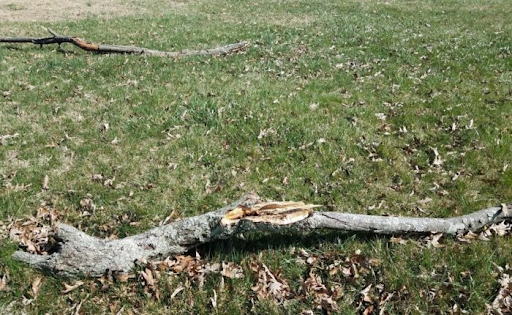
You’re relaxing outdoors on a hot summer day. Suddenly, with no warning, there’s a loud cracking noise, and a branch from your seemingly healthy tree hits the ground with a thud. Startled, you wonder what happened. Is your tree diseased? Will it happen again? Did someone get hurt? Your tree could have sudden branch drop syndrome.
As Bucks County’s leading team of certified arborists, All The Above Tree Service is here to teach you everything you need to know about this dangerous phenomenon, including what you can do to prevent it. If you have any questions or want to learn more about our range of tree services, including tree pruning, do not hesitate to reach out!
What Is Sudden Branch Drop Syndrome?
This syndrome is known by several names, including sudden branch syndrome, summer branch drop, summer branch failure, sudden limb drop, and sudden branch drop syndrome. Essentially, it’s just what it sounds like. One or more branches unexpectedly break off a tree and fall to the ground. It typically occurs during warm weather, day or night.
Signs of Sudden Limb Drop
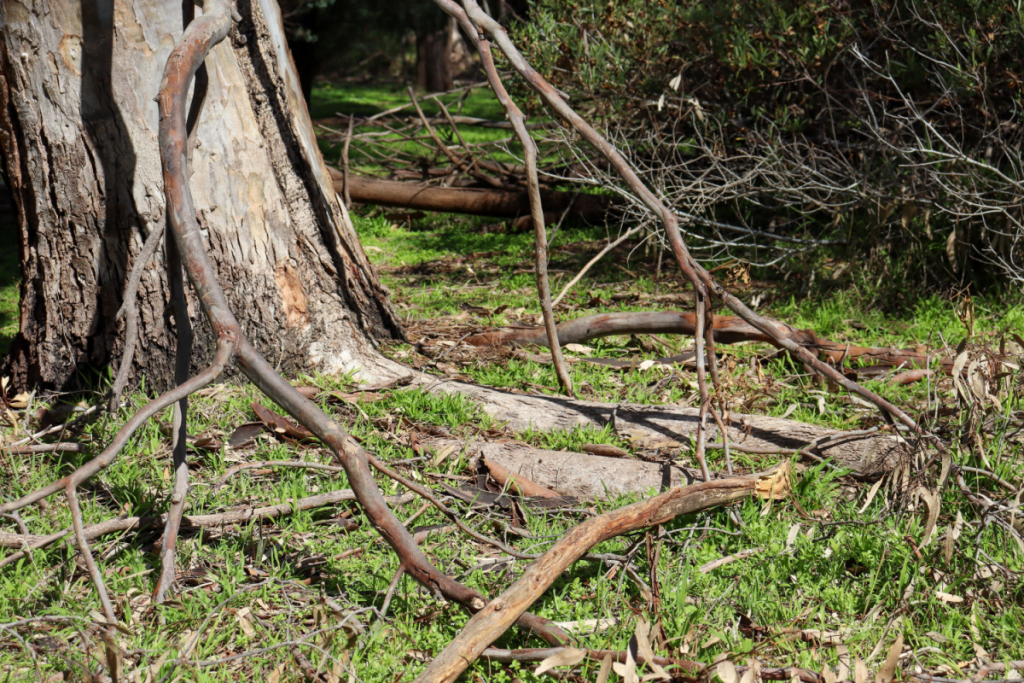
It might be called sudden, but some signs can hint at a coming drop. The trouble is, these signs aren’t always easy to spot. However, catching these early indicators can help prevent accidents or damage to your property. Keep an eye out for unusual tree behaviors or visible changes that hint at internal issues, such as:
- Extended or unusually long branches: Limbs stretching far away from the tree trunk may have trouble supporting their weight.
- Drooping or sagging limbs: Branches that hang lower than normal could indicate internal stress or weakness.
- Cracked or swollen bark near branch connections: These marks often mean internal damage or pressure building up.
- Sap or fluid leakage: Sticky residue around a limb could signal internal issues, such as bacterial infections or decay.
- Leaves prematurely browning or wilting: Early leaf discoloration or sudden leaf loss might suggest unseen internal problems or stress.
What Causes Sudden Branch Drop Syndrome?
While the arboricultural community hasn’t pinpointed one universal cause applicable to every instance, a consensus exists around several significant contributing factors.
Branch Position
The specific architecture of a tree, particularly how its major branches grow and distribute weight, profoundly influences its susceptibility to sudden, unexpected failure. Very large branches extending horizontally or angled only slightly upwards operate like enormous levers, carrying substantial weight far from the central support of the main trunk. This leverage effect generates immense internal tension and compression forces within the wood fibers, concentrating especially near the branch junction, also known as the branch collar, where it attaches to the stem.
Over many years, this relentless mechanical stress can progressively weaken the internal wood structure through micro-fractures and fiber fatigue, even while the exterior bark and visible wood appear perfectly normal and healthy. Consequently, mature trees boasting wide-spreading canopies characterized by heavy, long, horizontally-reaching limbs are statistically the most common candidates for experiencing this specific type of gravity-driven structural failure.
Tissue Shrinkage & Internal Cracks
Inside each branch are tiny tubes that carry water, keeping the branch flexible and sturdy. Dry spells cause these tubes to shrink, leading the inner tissues to separate slightly and create invisible cracks. While the branch may still look completely normal externally, this hidden damage gradually weakens its internal structure.
Over time, these subtle fractures build up stress until the branch can no longer maintain its integrity, suddenly breaking without warning. Mature trees with thick outer bark often mask these internal weaknesses, making the issue challenging to detect before a branch drop occurs.
Bacterial Wetwood or Other Internal Tree Problems
Bacterial wetwood is a common internal issue in many hardwood trees, appearing as dark streaks or slime seeping through the bark. This bacterial infection gradually increases pressure within the tree, disrupting the normal flow of water and nutrients. Over time, the core wood softens, weakening the limb from within and making it vulnerable under additional stress. Other internal issues, such as heart rot or fungal decay, similarly erode a branch’s strength quietly, often without visible external signs, until an unexpected break occurs.
High Humidity
Trees naturally absorb moisture through their leaves and bark when humidity levels rise, adding extra weight to their limbs. This increased water content moves downward through the branches, intensifying pressure on limbs already under stress. High humidity combined with warm weather softens the internal wood fibers, causing limbs to become weaker and more susceptible to drooping. Eventually, branches that previously appeared strong reach a breaking point, leading to unexpected drops on hot, humid days.
Errors From Amateur Pruning
Improper pruning can significantly disrupt a tree’s balance, unintentionally increasing the risk of sudden limb drop. Removing the wrong branches or pruning incorrectly shifts extra weight onto limbs unprepared to support them. Trees typically adapt slowly to pruning, so abrupt changes create lasting stress. Additionally, amateur cuts can expose the tree to internal damage or infections, weakening its structure over time until limbs suddenly break without warning.
Heat & Dryness
Extended periods of hot, dry weather place considerable strain on trees as moisture evaporates faster than roots can replenish it. This ongoing water deficit gradually causes branches to lose flexibility, making them increasingly brittle and fragile. Internally, the drying process causes tiny cracks and splits in the wood, weakening the branch structure without any visible external signs. Ultimately, even minor disturbances, such as a gentle breeze or a bird landing, can trigger a brittle branch to snap and fall unexpectedly.
Can I Prevent Sudden Branch Drop?
Since there’s no actual known cause, prevention is unlikely. However, you can take some actions to reduce the likelihood of sudden branch drop.
Tree pruning, for example, plays a vital role in maintaining the structure and safety of your trees. Still, it should only be handled by trained professionals who understand proper technique and timing. While pruning may not completely stop issues like summer branch failure, it significantly reduces the risk of injury from falling limbs.
Regular tree inspections and ongoing care are also important for long-term tree health and stability. Care tasks like watering, fertilizing, mulching, and trimming should always follow guidance from certified arborists, such as the experienced team at All The Above Tree Service, to ensure your trees receive care that fits their specific needs and growth patterns.
Which Trees Are Common Victims of Summer Branch Drop?
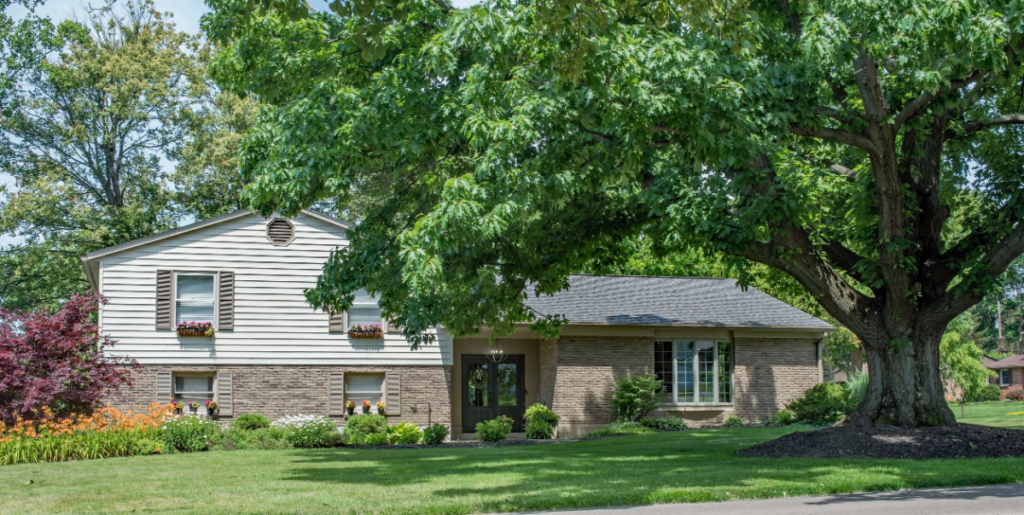
Sudden branch syndrome happens with all types of trees, but it occurs more commonly with the following species:
- Oak
- Elm
- Sycamore
- Eucalyptus
- Beech
Aging trees are also affected more often than young trees, and long, horizontal limbs are the most likely to drop.
Sudden Branch Drop? Call Our Arborists Today!
Once the first branch falls, the possibility of more dropping increases. Therefore, exercise caution around your tree after this happens to prevent property damage and injury. Then, call a tree expert from All The Above Tree Service to inspect the tree and rule out disease and other issues that might be at play. Our team will also be sure to have the branch removed to prevent trip and fall accidents. Moreover, we can conduct necessary follow-up pruning for accident prevention and safety.
Our team is well-versed in tree care, and you can feel confident that all services will be provided the right way.