Most Common Tree Diseases in Pennsylvania
June 26, 2019
Trees are an essential part of our landscape, both aesthetically and environmentally. As with most natural living things, however, trees are susceptible to several diseases and conditions that can prove fatal if left untreated.
As a leading provider of tree care services in Langhorne and the surrounding areas, All The Above Tree Service is here to educate you on some of the most common tree diseases that can be found in the Pennsylvania area. If a tree or multiple trees on your property become infected with one of these diseases, call us for effective solutions. We’ll carry out pruning and other tree-saving strategies and also perform complete tree removal if need be.
Also, check out our further insights and tips on how to spot 5 common PA tree diseases and how to identify tree diseases and pests.
Anthracnose
This group of stem and fungal leaf diseases can infect Maple, Dogwood, Oak, Sycamore, Ash, and many more tree types. Common symptoms are dead spots on leaves, premature defoliation, twig death, and dying buds.
To treat Anthracnose, it’s recommended that infected plants be removed from the garden and destroyed. For trees, professionals prune away dead wood and destroy any infected leaves. We also recommend spraying a copper-based fungicide on the plants.
Apple Scab
Apple Scab is caused by a fungus that infects the leaves and fruit of apple trees. If left untreated, this disease can cause significant damage. Infections are most prevalent in early spring, produced by spores from leaves infected in the previous growing season. When infections start, more spores will rapidly spread the disease throughout spring and early summer.
To manage this disease, a fungicide spray is needed to control the spread chemically.
Armillaria Root Rot (Honey Fungus)
Armillaria Root Rot is a common fungus with a not-so-friendly reputation. It grows in the soil and spreads underground, attacking roots and slowly cutting off nutrient and water flow. Early symptoms include small leaves, dieback, and stunted growth. Eventually, the tree may lean or show signs of decay at the base.
A classic sign of Armillaria is the presence of honey-colored mushrooms around the base of the trunk during fall. White fungal threads may also appear under the bark or in the root zone. Infected trees typically decline over several years, but when symptoms appear, it’s best to act quickly.
Cedar Apple Rust
This eye-catching disease involves both cedar and apple (or crabapple) trees. It needs both to complete its lifecycle, which makes managing it a little tricky. On cedar trees, it produces odd brown galls that eventually sprout bright orange, jelly-like tendrils in the spring. These tendrils release spores that drift through the air and infect nearby apple trees.
Once on apple leaves, the infection causes small yellow spots that eventually form red rings. Infected fruit may also become deformed or drop early. While Cedar Apple Rust is rarely fatal, it weakens trees over time and reduces fruit quality. Removing galls during winter and applying protective sprays during the growing season can keep the disease in check.
Dutch Elm Disease
Dutch Elm Disease has been devastating American elm trees since the 1930s. This vascular wilt disease spreads through beetles that carry a fungal pathogen into tree tissue. Once inside, the fungus blocks water transport, leading to leaf yellowing, curling, and premature drop. Trees may appear healthy early in the season, then rapidly decline mid-summer.
The infection often begins at the crown and moves downward, and it’s known to kill mature elms in just a few seasons. Regular pruning and removal of infected limbs can slow the spread, but professional diagnosis is the best way to know where you stand.
Fireblight
Fireblight is named after the scorched appearance of infected leaves affected by this disease. This destructive bacterial condition is found on apples, pears, and other members of the rose family. The disease travels down the tree stems, causing dieback. It attacks new growth areas first, so it’s generally identified at the top of plants.
To treat Fireblight, you must prune off branches a foot down from the diseased section and apply liquid copper solutions to the trees.
Needle Cast Diseases (Rhizosphaera & Swiss)
Evergreen trees like spruce and pine are highly vulnerable to Needle Cast diseases. These fungal infections target older needles first, causing them to turn brown or purple before dropping early. Rhizosphaera and Swiss Needle Cast both thrive in moist environments, especially when airflow is limited.
As the infection progresses, your tree will start to look thin and bare near the trunk while the tips stay green. This uneven coloring is a strong visual cue. Regular pruning and spacing between trees help reduce humidity and encourage airflow. In some cases, fungicide treatments during early spring can help protect healthy needles moving forward.
Powdery Mildew
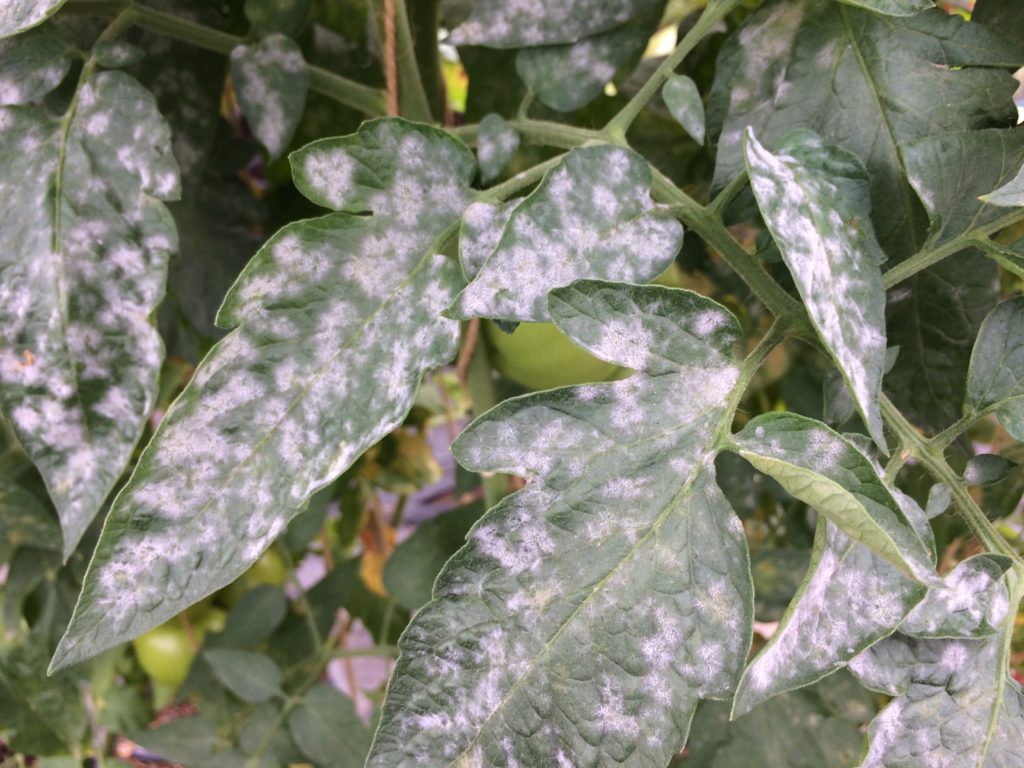
Powdery Mildew is a fungal disease that has a negative impact on a wide range of plants and trees. It thrives in warm, dry climates and often needs a fair amount of humidity to spread. This disease can stop the growth of plants if left untreated. It’s easy to identify, as it looks as though flour has been spread across plants, with powdery white circles becoming visible on leaves.
To treat Powdery Mildew, combine a tablespoon of baking soda with half a teaspoon of washing up liquid and spray this liberally on the affected plants. Alternatively, you can spray the plants with household mouthwash.
Verticillium Wilt
Verticillium Wilt attacks a wide variety of tree species, including maples, ashes, dogwoods, and redbuds. The fungus lives in soil and enters through the roots, where it clogs the tree’s water pathways. You might notice one side of the tree wilting before the rest. Leaves turn yellow or brown, sometimes with distinctive V-shaped discoloration.
This disease can mimic drought symptoms, which leads many people to overlook the issue until it’s advanced. Once inside, Verticillium is very difficult to eliminate. Removing infected wood, improving soil health, and limiting stress on the tree will support its recovery. Some trees tolerate the disease better than others, so arborists often evaluate on a case-by-case basis.
Tree Disease Prevention Tips
A healthy tree is its own best defense. You can foster a strong and resilient landscape with a few key practices.
- Water Wisely: Provide deep, infrequent watering for your trees, especially during dry periods. This encourages a deep, robust root system.
- Mulch Correctly: Apply a 2-4 inch layer of organic mulch around the base of your trees, but keep it away from the trunk itself. This helps retain soil moisture and regulate temperature. Avoid “volcano mulching,” which piles mulch against the bark.
- Promote Airflow: Good air circulation helps leaves dry faster, making it harder for fungal diseases to take hold. Professional pruning removes crowded or crossing branches, opening the canopy to light and air.
- Inspect Your Trees: Make a habit of walking your property and looking at your trees. Check for changes in leaf color, thinning foliage, or unusual growths on the trunk and branches. Early detection is a powerful tool.
Call Now for Tree Pruning, Removal, & More Disease Interventions
Seeing signs of disease in your trees can be concerning. Our team at All The Above Tree Service is here to help. We offer tree pruning, removal, and more targeted disease interventions throughout Southeastern Pennsylvania. Let’s keep your trees strong, beautiful, and thriving for years to come. Your landscape deserves it.
For disease prevention and treatment, and other tree care services in Yardley and surrounding areas, call All The Above Tree Service!