3 Common Issues Affecting Red Maples & How to Deal With Them
August 30, 2018
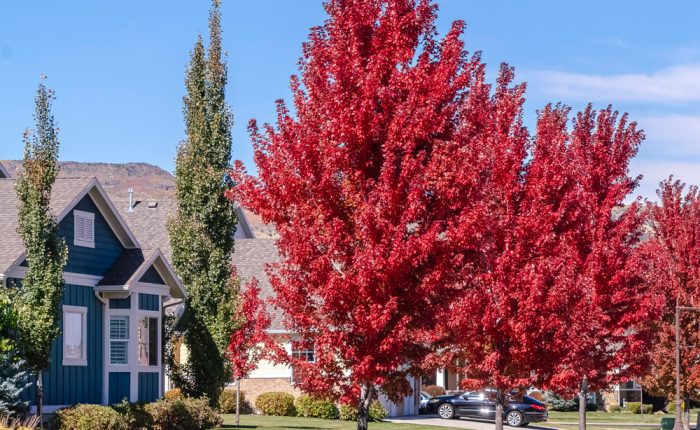
One of the most beautiful things about the landscape here in Pennsylvania is the abundance of red maple trees. As the Keystone State’s most common tree variety, red maples can be seen filling entire forests in the PA wilderness and are routinely seen across the lawns of local homes.
Because red maples can be such a sight for sore eyes, it’s all the more important to be aware of problems that can affect them so that you can find a solution to any issue before it gets worse. Before you need to call your premier source for tree care services in Bucks County with an emergency, take note of some of the more common potential threats to red maples so that you can prepare yourself to combat them.
Weak Trunks and Branches
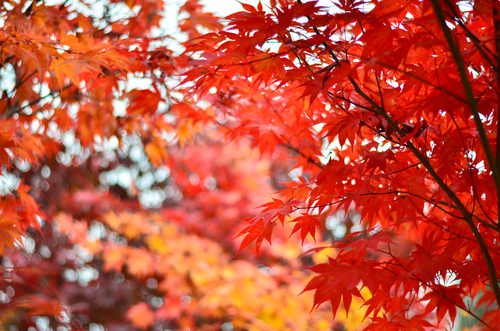
Compared to other North American tree species, maple trees have rather weak trunks and limbs. Not only does this make maples more prone to breaking during severe storms and collapsing under the weight of snow, but it also makes them more susceptible to nicks and scratches from pruning shears or lawn mowers, which, in turn, can invite fungi or pests.
Schedule routine prunings with our Bucks County tree care company to help your red maples maintain their balance and center of gravity to avert stress on the trunk or tree limbs.
Surface Roots
The roots of maple trees grow rather close to the surface of the ground. While this in itself is not a problem, this characteristic of maple trees frequently causes them to erode sidewalks and driveways as the roots grow from underneath. If this happens, you might have to remove these problematic roots, which can threaten the health of the tree if the root in question is of significant size.
Be sure to cut any potentially damaging tree roots before they grow too large for their own good.
Verticillium Wilt
During the summer, maples are particularly vulnerable to Verticillium wilt, a soil-bound fungus that causes the leaves to yellow or wilt in concentrated areas. In most cases, you can ward off the fungi with special fertilizers, soil treatments, and regular tree pruning.
Other Common Problems With Red Maples
While weak trunks and branches, surface roots, and verticillium wilt are the most common problems you have to watch out for with red maple trees, they are not the only issues. Be sure to keep an eye out for these other common red maple concerns:
Structural Issues
Red maples often grow quickly, and fast growth can sometimes lead to a structure that isn’t as strong as it should be. Co-dominant stems, tight branch unions, and heavy canopy weight can all make a red maple more prone to splitting — particularly during high winds, ice, or heavy snow.
One of the best ways to prevent structural failure is proactive pruning. Properly timed trimming helps reduce end-weight on long limbs, encourages healthier growth patterns, and minimizes the risk of cracks or breakage.
Leaf Spot
Phyllosticta leaf spot is a common fungal infection that creates small, circular brown or black spots on red maple leaves. These spots of discoloration often have a distinct purple or red border. While usually a cosmetic issue, a heavy infection can cause leaves to drop prematurely, which stresses the tree over time. In most cases, leaf spot can be managed by raking up and removing fallen leaves and using the right pruning approach.
Anthracnose
Often confused with leaf spot, anthracnose is a group of fungal diseases that thrive in cool, wet spring weather. It causes irregular tan or brown spots along the leaf veins and can lead to significant defoliation. Keeping the area under your maple clear of fallen debris can help prevent these spores from overwintering.
Cankers
Cankers are damaged or dead areas that develop on branches or the trunk, often after the tree has been stressed by weather, improper pruning, or physical injury. These spots can interrupt the flow of nutrients and water, leading to branch dieback and weakening the tree over time.
Because cankers can worsen if left alone, it’s important to address them early. Proper pruning (done correctly and at the right time of year) is key to limiting spread. Keeping your red maple healthy through proper watering during dry stretches and avoiding trunk damage can also go a long way toward preventing cankers from gaining a foothold.
Scales
Scale insects are small pests that attach to twigs and branches and feed on the tree’s sap. They’re easy to miss at first because they often look like tiny bumps on the bark rather than obvious insects. With time, however, they can cause yellowing leaves, weakened growth, and branch dieback.
Routine inspections and early treatment make a big difference. If your red maple seems to be thinning out or losing vigor for no clear reason, it’s a good idea to have it evaluated for scale activity.
Aphids
Aphids are common on red maples and tend to gather on leaves and tender new growth. While they don’t typically kill mature trees, heavy infestations can stress the tree and create a messy situation thanks to the sticky honeydew they leave behind. That residue can attract ants and may lead to sooty mold on leaves and nearby surfaces.
Keeping your tree healthy is the first line of defense, since aphids are more likely to take hold on stressed trees. If the problem becomes persistent, a tree care professional can recommend safe, effective control methods.
Think Your Red Maple Might Need Help?
If your red maple looks uneven, is dropping leaves early, or has branches that make you nervous during storms, it’s smart to get it checked out for one of the three most common red maple problems (or another issue). With professional tree care and routine maintenance from All The Above Tree Service, you can protect your property, improve your tree’s health, and keep that classic Pennsylvania beauty thriving for years to come. Contact us today to get started!